Photo by Hamza Z. H. Qraiqea
As strong winter storms sweep across Gaza, the humanitarian catastrophe continues to deepen, a direct consequence of Israel’s ongoing genocide against Palestinians and the widespread destruction of infrastructure across the occupied Gaza Strip.
Winter has become an additional threat to life for families already exhausted by months of bombardment, siege, forced displacement, and deprivation.
Before Palestinians in Gaza can recover from one storm, another arrives.
Parents are left facing impossible questions:
Will the house, already in ruins, remain standing through the night?
Will the tent withstand the wind and rain?
How can children stay warm when cold reaches bodies already weakened by famine?
Our team met many families living in devastating conditions. We also met injured people suffering severe pain that worsens sharply in the cold.
Mohammed, whose leg was amputated, said: “The cold makes the pain unbearable. I have to take painkillers regularly just to get through the day.”
Mohammed is one of thousands whose tents were flooded, with water soaking their clothes and personal belongings. His children, like thousands of children across Gaza, have been affected by the cold.
A MECA-supported medical clinic in Mawasi, near the seashore, has seen a rise in patients with children being repeatedly admitted for cold exposure, flu, and high fevers.
Hanaa, a mother of three children displaced in Mawasi said to MECA: “I nearly lost my daughter. I felt helpless trying to bring down her temperature. There was no warm place inside the tent for my three-year-old, as rainwater filled the tent and the situation quickly spiraled out of control.”
According to Gaza’s Civil Defense, since the start of these weather conditions, approximately 18 residential buildings have collapsed completely, while over 110 others have sustained dangerous partial collapses.
Thousands of families have been forced to remain inside damaged and structurally unsafe homes, covered with plastic sheeting that exposes them to further risk as walls may collapse at any moment. Some of these homes have already collapsed on the families sheltering inside.
According to the Ministry of Health, at least 18 Palestinians have died as a result of these conditions, including four children who succumbed to extreme cold. Others were killed by buildings collapsing. At the same time, the health conditions of the wounded and elderly with chronic illnesses continue to worsen, as cold temperatures delay recovery and Gaza’s healthcare system remains severely degraded after months of Israeli endless attacks during the ongoing genocide.
Nearly 90 percent of displacement camps across Gaza have been flooded by rainwater and runoff. Tents in all areas of Gaza have been damaged or submerged, leaving thousands of families without even temporary shelter. Clothing, bedding, and blankets have been soaked and destroyed, with no safe alternatives available.
Displacement camps have turned into areas of mud and contaminated water, as rainfall mixes with damaged sewage networks and flattened land. Movement has been restricted, access to basic needs disrupted, and living conditions have deteriorated further — increasing the risk of disease, particularly among a population whose immunity has been weakened by prolonged Israeli-manufactured famine.
Despite the scale of this humanitarian emergency, Israel continues to restrict access and prevent the entry of essential materials and equipment needed for debris removal, shelter, and recovery.
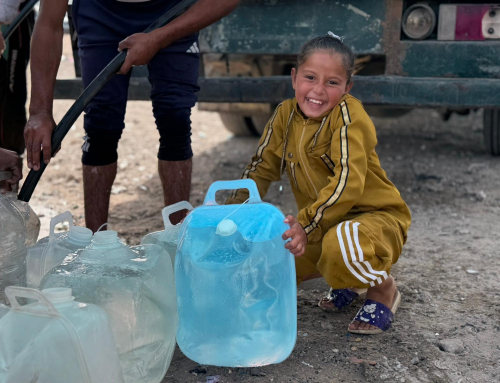
 Since the beginning of November, the MECA team, with the support of its partners, has distributed 63,045 tents and 13,062 bedding kits across all areas of Gaza.
Following the severe weather conditions that struck Gaza over the past three weeks, we established joint distribution points to support families affected by the storms and flooding. These points are managed in close coordination with our local and international partners.
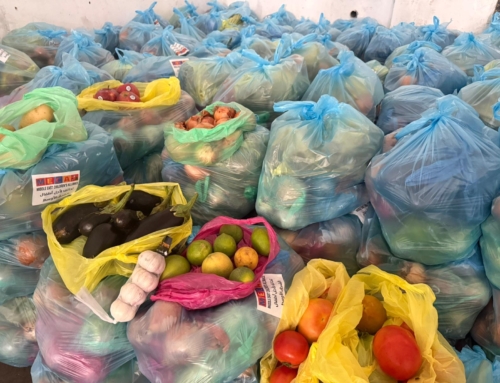
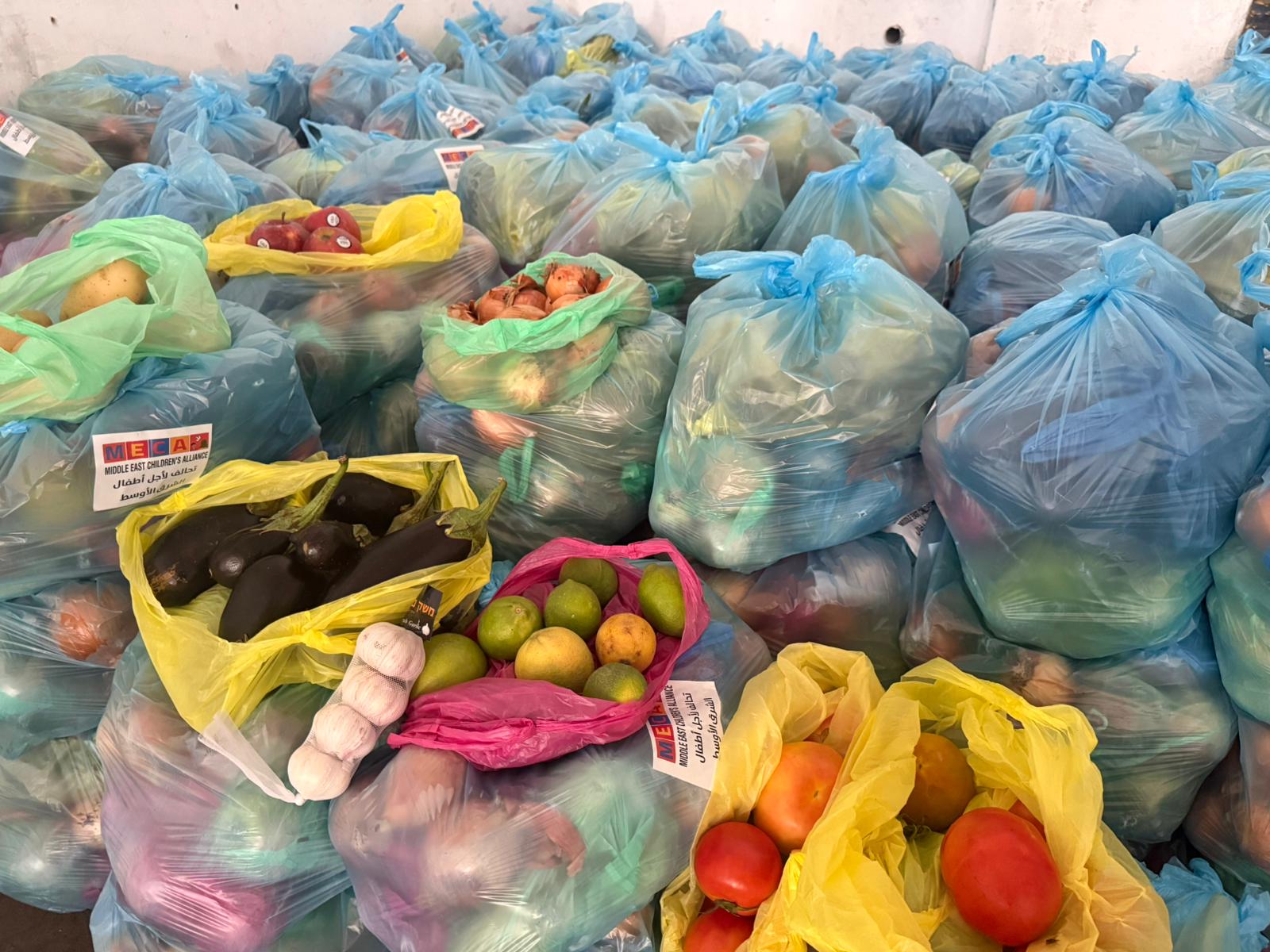
Within the first days of the ongoing storm, we reached 15,249 families, providing tents, tarps, blankets, children’s cereal, dignity kits, and food parcels. Our field teams continue to follow up, coordinate, and manage these distribution points to ensure that assistance reaches families on the same day, as part of our ongoing emergency response.
Despite these efforts, our response remains only a drop in the ocean compared to the scale of need. Families in Gaza need your urgent support in pushing for an adequate response; nothing short of allowing Gaza its right to be rebuilt for its people can end this suffering.
Immediate international action is urgently needed to protect Palestinians in the occupied Gaza Strip, ensure access to basic necessities, and prevent further loss of life as the genocide and its devastating consequences continue. This requires the unconditional opening of all crossings and the entry of all necessary materials and equipment to stabilize the situation and begin meaningful recovery.
This does not mean we will stop supporting children and families in whichever way we can, but our emergency response now is merely a bandaid that’s not long-lasting. At the same time we must tackle the root causes by ending the blockade to allow material in, so Palestinians can rebuild Gaza.