 On World Water Day, people around the world reflect on the importance of water. But in Gaza, water is not a symbol: it is survival.
Amal, our colleague from Gaza, describes the reality in her own words:
“In Gaza, every day that water reaches your home, or when there’s a water truck you can get at least the minimum you need from, is considered World Water Day. It is the day for washing clothes, for the whole family to bathe, and for cleaning the piles of dishes worn down by cooking over fire.
“In Gaza, the greatest fear, after losing homes, lives, and loved ones, has become the loss of water on any given day. This is something everyone in Gaza has experienced hundreds of thousands of times over the past decades. But specifically during the ongoing Israeli genocide and blockade.
“Your support to ensure the continued supply of safe drinking water, and to operate groundwater wells that provide water suitable for household use, is a chance for life to continue.
“Water means cleanliness and health at a time when cleaning supplies are no longer available and health has deteriorated due to lack of resources imposed by Israel’s apartheid and military occupation policies and crimes.
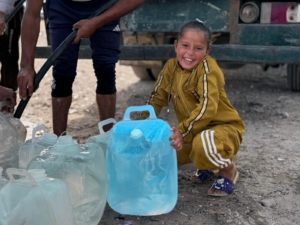
“In Gaza, a child now knows exactly how many liters of water they need to bath or to wash their face in the morning. This water does not come to them as it does to many other children around the world; simply by opening a tap. Every liter of water means waiting hours, in extreme weather conditions, for water trucks to arrive, standing in long lines to reach the filling pipe, and carrying heavy loads all the way back to where they live; whether it’s a tent or what remains of a home.
“In Gaza, water is not wasted; we are the ones who truly understand the value of every single drop.”
Amal’s testimony reflects a broader context amid the ongoing Israeli genocide.
For years, Gaza’s access to clean, safe water has been severely constrained by the Israeli blockade, which has limited access to fuel, materials, and equipment needed to maintain and expand water and sanitation infrastructure.
Occupied Gaza relies almost entirely on a single groundwater source; the coastal aquifer, which has been over-extracted and contaminated continuously by Israel over the decades.
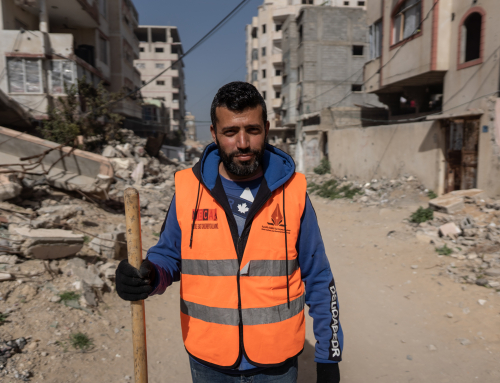
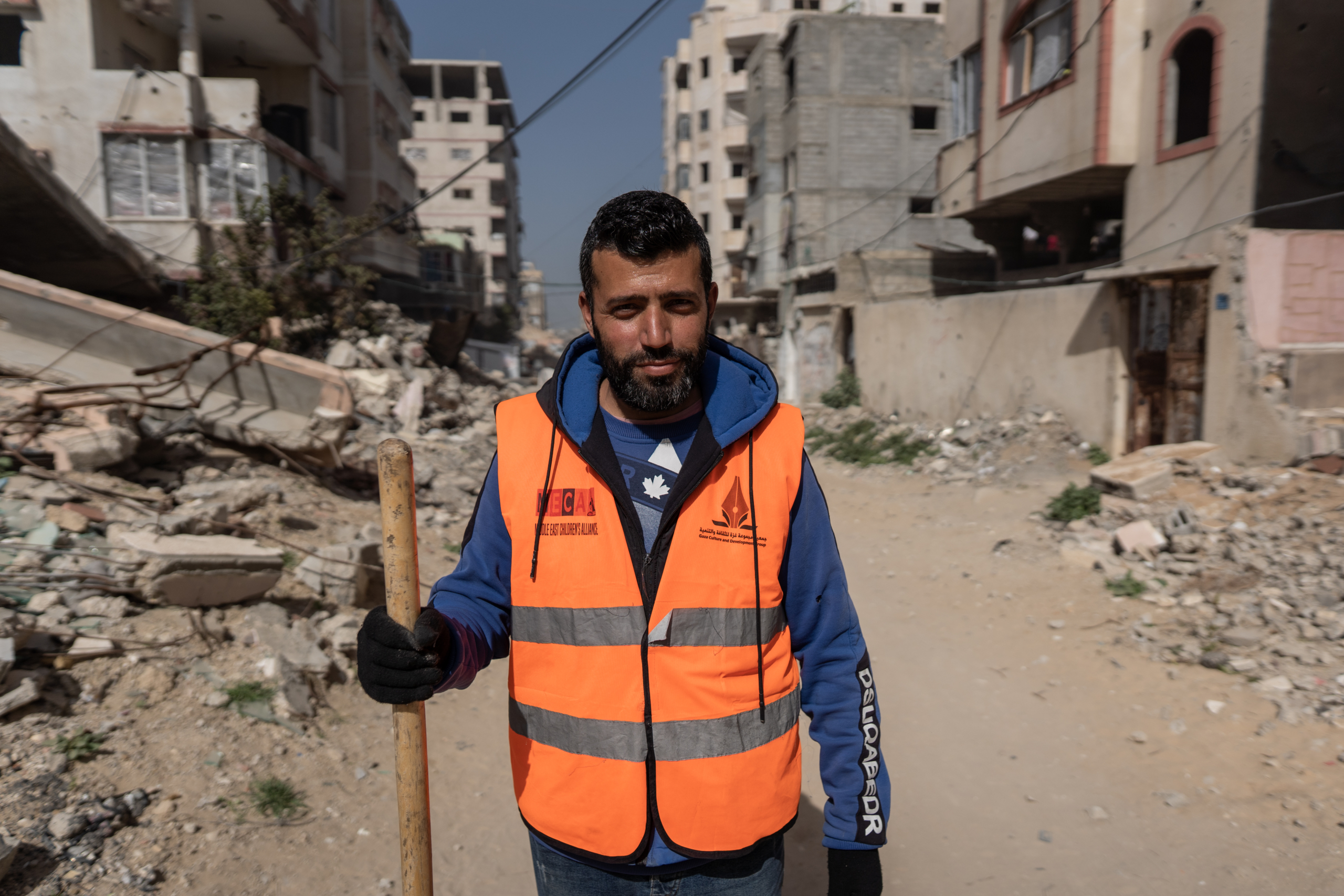
Since the Israeli genocide started, more damage further degraded the system. Water pipelines, wells, desalination plants, and wastewater facilities have been partially damaged or completely destroyed, while forced fuel shortages have made it difficult to operate what infrastructure remains, all of this means that water is beyond scarce and heavily conditioned.
As a result, many families are surviving on less than 6 liters of water per person per day; far below the 15 liters minimum required for basic survival as defined by the World Health Organization (WHO standards), with Gaza-specific estimates reported by UNICEF and Oxfam. In some areas, access has dropped to only a small fraction of pre-genocide levels (Oxfam data).
The consequences extend beyond water access alone. The destruction of water and sanitation systems, combined with overcrowding from Israeli forcible displacement and lack of resources due to the blockade, has created severe public health risks and accelerated the spread of disease.
And yet, as Amal’s words make clear, even under these conditions:
In Gaza, water is never wasted.
Because when access to water is shaped by Israel’s genocide and blockade; every drop becomes essential.